
Post
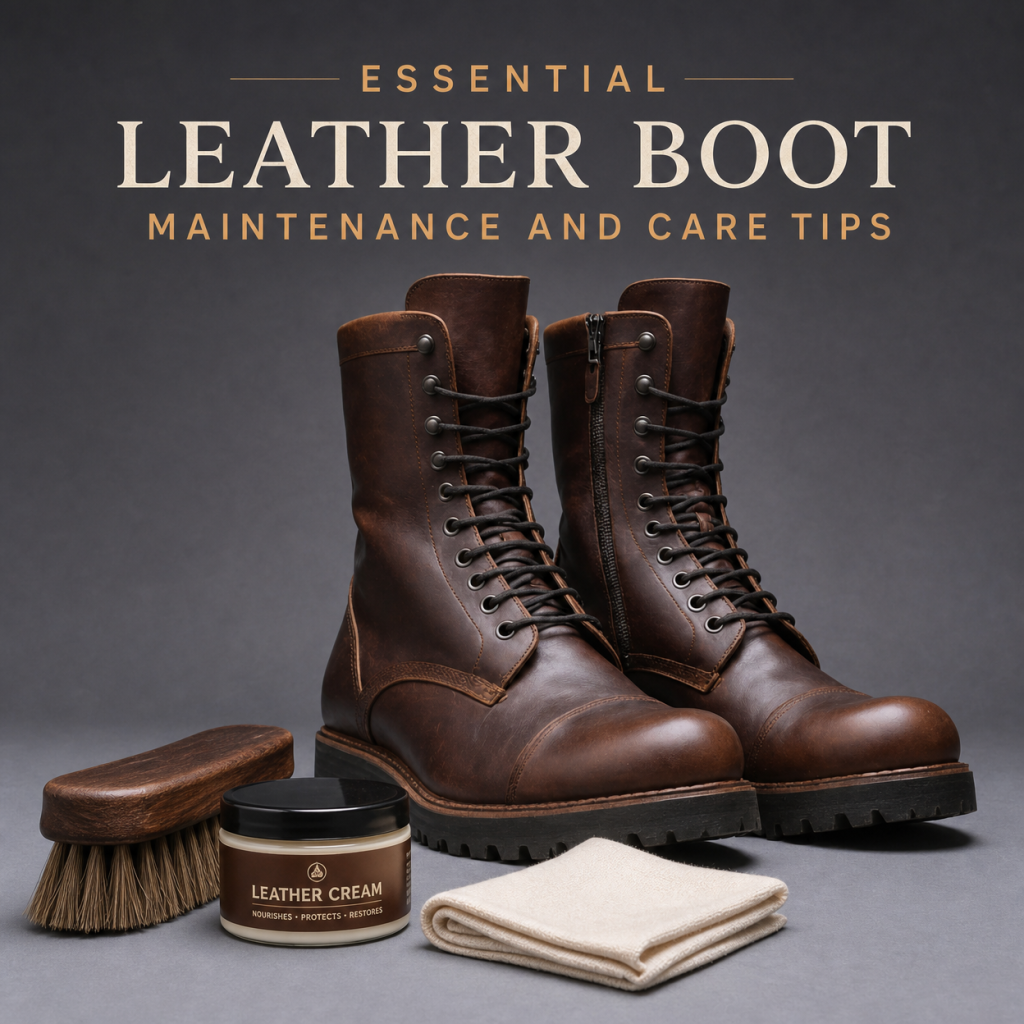
Essential Leather Boot Maintenance and Care Tips
May
Essential Leather Boot Maintenance and Care Tips
Leather boots are built to last, but only when they are properly maintained. A high-quality pair can easily serve you for many years—or even decades—if you treat it correctly. The difference between boots that age beautifully and boots that crack, fade, or fall apart early almost always comes down to consistent care habits.
Leather is a natural material, which means it continues to respond to its environment long after it is made. It absorbs moisture, releases oils, reacts to heat, and changes texture over time. That is exactly what gives leather boots their character—but it also means they require ongoing maintenance.
The good news is that leather boot care is not complicated. You don’t need expensive tools or advanced techniques. You only need a few consistent habits: cleaning, conditioning, protecting, and storing properly. When done correctly, these simple steps dramatically extend the life of your boots and preserve both comfort and appearance.
Why Leather Boot Maintenance Is Essential
Even premium leather boots will degrade without proper care. Everyday wear exposes boots to dust, dirt, moisture, friction, and temperature changes. Over time, these factors slowly break down the leather fibers.
Without maintenance, boots can become:
- Dry and brittle
- Cracked and stiff
- Faded or discolored
- Weak at stress points
- Less comfortable to wear
- More prone to water damage
Leather contains natural oils that keep it flexible and soft. When those oils are lost through wear and environmental exposure, the material begins to harden and lose its durability.
Maintenance is simply the process of replacing what the leather naturally loses and protecting it from future damage.
Step 1: Regular Cleaning
Cleaning is the most basic and most important part of leather boot care. Dirt and dust may seem harmless at first, but they act like tiny abrasives that slowly wear down the leather surface.
Daily Cleaning Routine
After each use, especially outdoors, you should:
- Brush off dust and dirt
- Remove dried mud or debris
- Wipe with a soft cloth if needed
A simple horsehair brush or microfiber cloth is usually enough for everyday maintenance.
This quick routine prevents buildup and keeps the leather surface clean and breathable.
Deep Cleaning When Needed
When boots become heavily soiled:
- Use a damp cloth (not soaking wet)
- Apply mild soap or leather cleaner
- Gently clean in circular motions
- Focus on dirty or stained areas
After cleaning, always remove excess moisture with a dry cloth.
What You Should Never Do
Avoid:
- Harsh detergents or bleach
- Strong chemical cleaners
- Hard scrubbing brushes
- Fully soaking leather in water
These can strip natural oils and permanently damage the leather surface.
Step 2: Proper Drying Techniques
Drying leather correctly is just as important as cleaning it. Many boots are damaged not by water itself, but by how they are dried afterward.
Safe Drying Method
Always allow boots to:
- Air dry naturally
- Stay in a ventilated room
- Remain at room temperature
This slow drying process keeps leather fibers stable and prevents damage.
Things to Avoid
Never dry leather boots using:
- Direct sunlight
- Hair dryers
- Radiators or heaters
- Fire or strong heat sources
Excessive heat can cause:
- Cracking
- Shrinking
- Hardening
- Color fading
Once leather is heat-damaged, it cannot fully return to its original condition.
Step 3: Conditioning Leather
Conditioning is what keeps leather alive. Without it, boots slowly dry out and lose flexibility.
What Conditioning Does
A good leather conditioner:
- Replaces lost natural oils
- Prevents cracking
- Restores softness
- Maintains flexibility
- Extends overall lifespan
Conditioning is especially important for boots exposed to dry climates, frequent outdoor use, or long storage periods.
How to Apply Conditioner
Follow these steps:
- Clean the boots first
- Apply a small amount of conditioner
- Use a soft cloth or applicator
- Rub in circular motions
- Allow absorption for several hours
- Wipe off excess if necessary
Less is more when it comes to conditioning. Over-application can oversaturate leather and weaken its structure.
How Often to Condition
- Every 6–12 months for normal use
- More often in dry or harsh environments
- After heavy exposure to rain or snow
- Before long-term storage
The goal is balance—not too dry, not overly oily.
Step 4: Waterproofing and Moisture Protection
Water is one of the biggest threats to leather boots. While leather can handle some moisture, repeated exposure without protection leads to long-term damage.
Waterproofing Products
Common options include:
- Water-repellent sprays
- Wax-based protectants
- Silicone-based coatings
These create a protective layer that helps water roll off instead of soaking into the leather.
When to Apply Waterproofing
- Before rainy or winter seasons
- After deep cleaning
- Every few months for frequently used boots
After Getting Wet
If your boots get wet:
- Wipe off excess moisture immediately
- Let them dry naturally
- Avoid heat drying at all costs
- Recondition if leather feels dry afterward
Proper moisture handling prevents long-term stiffness and cracking.
Step 5: Proper Storage
Storage is often ignored, but it plays a huge role in boot longevity.
Best Storage Practices
To store boots correctly:
- Keep them in a cool, dry place
- Avoid direct sunlight
- Use breathable fabric bags or boxes
- Insert boot trees or stuffing
Maintaining Shape
Leather can lose shape if left unsupported. Without proper storage, boots may:
- Collapse at the shaft
- Develop deep creases
- Lose structural integrity
Boot trees or even newspaper stuffing help maintain shape and structure.
Avoid Plastic Storage
Sealed plastic containers trap moisture, which can lead to:
- Mold growth
- Bad odors
- Leather deterioration
Breathable storage is always better.
Step 6: Rotation Between Pairs
Wearing the same boots every day accelerates wear.
Rotation allows:
- Full drying between uses
- Reduced stress on materials
- Longer lifespan per pair
- Better comfort over time
Even alternating between two pairs makes a noticeable difference in durability.
Step 7: Sole and Heel Care
The soles take the most impact during walking, so they wear out faster than the upper leather.
Signs of Sole Wear
- Reduced grip
- Smooth tread patterns
- Uneven heel wear
- Visible thinning
Maintenance Tips
- Clean soles regularly
- Avoid excessive abrasive surfaces
- Replace heels early before full damage occurs
Timely repairs are much cheaper than full replacements.
Step 8: Polishing and Appearance Maintenance
Polishing is optional but useful for improving appearance.
Benefits of Polish
- Restores shine
- Enhances color depth
- Covers minor scuffs
- Improves presentation
When to Use Polish
- Dress boots
- Formal occasions
- Occasional visual refresh
Polish is more cosmetic than structural, so it should not replace conditioning.
Common Mistakes to Avoid
Many boot problems come from simple care mistakes:
- Leaving boots wet for long periods
- Using harsh chemicals
- Skipping conditioning entirely
- Drying near heat sources
- Storing in sealed plastic
- Wearing the same pair daily without rotation
Avoiding these mistakes can double or even triple boot lifespan.
Building a Simple Maintenance Routine
A practical routine doesn’t need to be complicated:
- After use: brush off dirt
- Weekly or monthly: light cleaning if needed
- Every few months: conditioning
- Seasonally: waterproofing
- Long-term: proper storage
Consistency matters more than complexity.
Conclusion
Essential leather boot maintenance is built on simple but powerful habits: cleaning, drying properly, conditioning, protecting from moisture, and storing correctly. When these steps are followed consistently, even heavily used boots can remain functional and attractive for many years.
Leather is a living material that rewards care. The better you maintain it, the more comfortable and visually appealing it becomes over time. Instead of deteriorating, well-cared-for boots develop character, softness, and a unique patina that reflects their journey with the wearer.
In the end, leather boot maintenance is not just about preservation—it is about maximizing value, comfort, and longevity. With the right routine, a good pair of boots doesn’t just last longer; it gets better with age.
