
Post
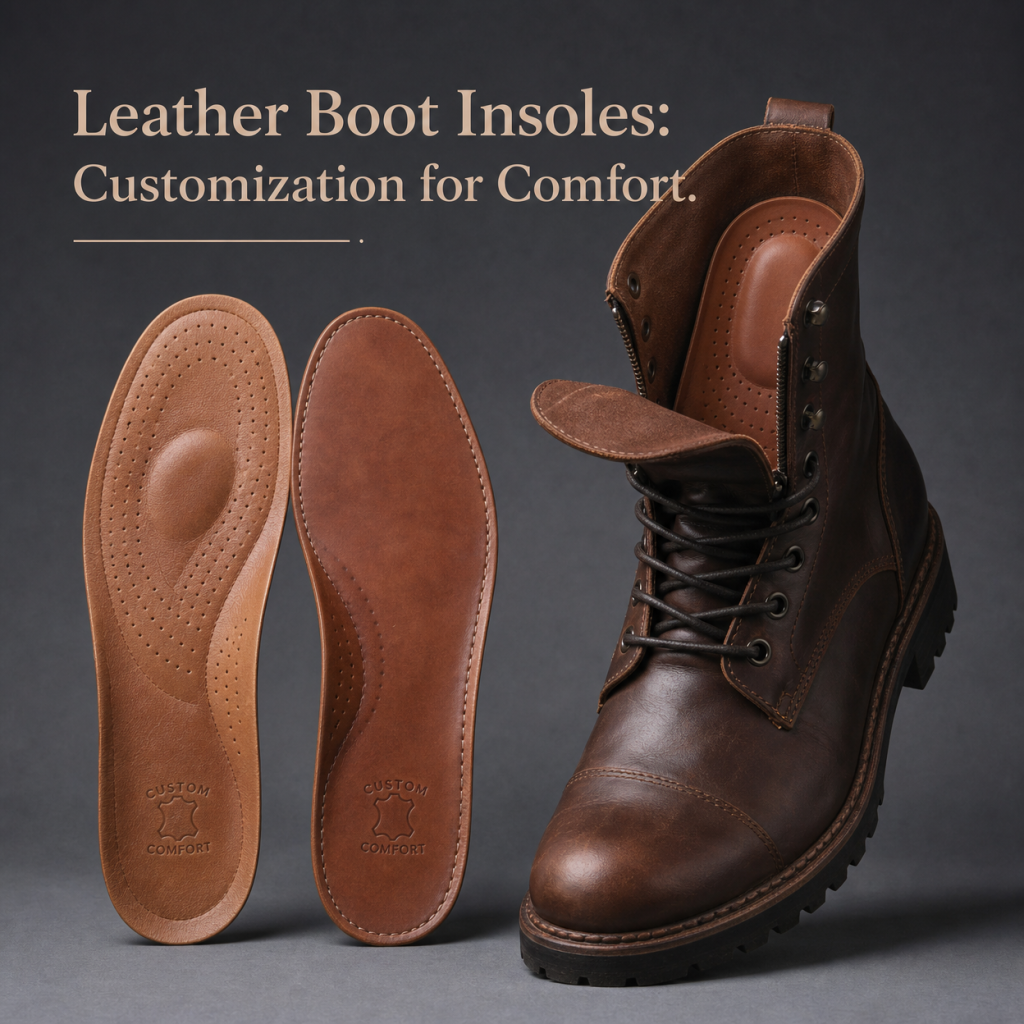
Leather Boot Insoles: Customization for Comfort
May
Leather boots are known for their durability, timeless style, and rugged performance, but even the highest-quality boots may not feel perfectly comfortable straight out of the box. One of the most overlooked factors in boot comfort is the insole—the interior layer that supports your foot with every step. While many people focus on leather quality, sole construction, or boot design, the insole often determines whether boots feel supportive and comfortable during long hours of wear.
Factory insoles included with boots are designed to suit the average wearer, but human feet are far from average. Every person has unique arch height, walking patterns, pressure points, and support needs. As a result, replacing or upgrading insoles can dramatically improve the comfort and functionality of leather boots.
For some wearers, a simple cushioned insert is enough to reduce fatigue. Others may require structured orthotic support to address foot conditions such as flat feet, plantar fasciitis, or high arches. Understanding the different types of insoles and how they affect comfort allows boot owners to customize footwear for their specific needs.
This guide explores how insoles improve leather boot comfort, the different insole options available, and how to choose the right support system for your feet and lifestyle.
Why Insoles Matter in Leather Boots
The insole acts as the direct connection between your foot and the boot. Every step you take transfers pressure through this layer, making it essential for comfort, stability, and support.
A properly selected insole can:
- Improve arch support
- Reduce foot fatigue
- Minimize pressure points
- Enhance shock absorption
- Improve posture and alignment
- Reduce heel pain
- Increase overall comfort
Even expensive leather boots may not include insoles optimized for your individual foot structure. Some factory insoles prioritize durability or cost efficiency over personalized comfort.
Because leather boots are often heavier and more structured than sneakers or casual shoes, proper support becomes even more important during prolonged wear.
Understanding Factory Insoles
Most leather boots come with standard factory insoles. In higher-end boots, these may include decent cushioning and moderate arch support. However, factory insoles are usually designed to accommodate a broad range of wearers rather than specific foot conditions.
Common Characteristics of Factory Insoles
Factory insoles often provide:
- Basic cushioning
- Limited arch support
- Moderate shock absorption
- Generic foot shaping
For people with neutral foot structure and occasional boot use, factory insoles may feel perfectly adequate.
However, individuals who spend long hours standing, walking, or working in boots often discover that upgrading the insole significantly improves comfort.
Signs You May Need Better Insoles
Many people assume discomfort comes from the boots themselves when the real issue is insufficient support inside the boot.
Common signs that you may benefit from replacement insoles include:
- Foot fatigue after short periods
- Heel pain
- Arch discomfort
- Burning sensation in the feet
- Lower back pain
- Knee discomfort
- Uneven wear patterns
- Pressure points inside the boot
Even well-fitted boots can become uncomfortable if the insole fails to support your foot properly.
Over-the-Counter Orthotic Insoles
One of the most popular solutions for improving boot comfort is using aftermarket orthotic insoles. These products are widely available and designed to address common foot support problems.
Unlike soft cushioning inserts alone, orthotic insoles often include semi-rigid support structures that help stabilize the foot and improve alignment.
Benefits of Orthotic Insoles
Orthotic insoles can help:
- Support arches properly
- Improve weight distribution
- Reduce strain on joints
- Increase walking stability
- Relieve heel pressure
- Correct mild overpronation
Many people are surprised by how dramatically supportive insoles can improve the comfort of boots they previously found difficult to wear.
Insoles for Flat Feet
People with flat feet often experience fatigue and discomfort because their arches collapse inward while walking.
This condition can lead to:
- Heel pain
- Knee strain
- Ankle instability
- Lower back discomfort
Orthotic insoles designed for flat feet provide structured arch support that helps stabilize the foot and distribute pressure more evenly.
Features to Look For
Flat-foot support insoles typically include:
- Firm arch support
- Deep heel cups
- Stabilizing structures
- Motion control features
These elements help reduce excessive inward rolling of the foot and improve comfort during long periods of standing or walking.
Insoles for High Arches
High arches create a different set of challenges. People with high arches often place excessive pressure on the heel and ball of the foot because the arch absorbs less impact naturally.
This may cause:
- Foot fatigue
- Pressure pain
- Instability
- Shock-related discomfort
Insoles designed for high arches usually focus on cushioning and shock absorption while still providing supportive contouring.
Key Features
High-arch insoles often include:
- Extra cushioning
- Flexible arch support
- Shock-absorbing foam
- Heel padding
These features help distribute pressure more evenly across the foot.
Insoles for Plantar Fasciitis
Plantar fasciitis is one of the most common causes of foot pain, especially among people who stand or walk extensively.
This condition involves inflammation of the plantar fascia—a thick band of tissue connecting the heel to the toes.
Symptoms often include:
- Sharp heel pain
- Morning foot stiffness
- Pain after standing long periods
Supportive insoles can significantly reduce strain on the plantar fascia.
Effective Features for Plantar Fasciitis
Helpful insole features include:
- Deep heel support
- Firm arch structure
- Shock absorption
- Pressure relief zones
Many boot wearers find that quality orthotic insoles reduce plantar fasciitis symptoms without requiring completely new footwear.
Cushioned Insoles for Everyday Comfort
Not everyone requires medical-grade support. Some people simply want additional softness and comfort during daily wear.
Cushioned insoles focus primarily on:
- Shock absorption
- Pressure reduction
- Softness underfoot
- Reduced fatigue
These insoles are especially popular among people who:
- Work on hard floors
- Walk long distances
- Wear boots for extended periods
- Need extra comfort without rigid support
Materials commonly used include memory foam, gel inserts, EVA foam, and cork.
Custom Orthotics: Maximum Personalization
For individuals with significant foot problems or highly specific support needs, custom orthotics provide the highest level of personalization.
Custom insoles are created using detailed measurements or molds of your feet, often through podiatrists or specialized footwear clinics.
Advantages of Custom Orthotics
Custom orthotics are designed specifically for:
- Your arch height
- Foot shape
- Gait pattern
- Pressure distribution
- Medical conditions
These insoles can address complex issues such as:
- Severe flat feet
- Chronic plantar fasciitis
- Leg length differences
- Joint pain
- Biomechanical alignment problems
Although expensive, custom orthotics can completely transform problematic leather boots into highly comfortable and supportive footwear.
For many people with chronic discomfort, custom insoles improve not only foot comfort but also posture, mobility, and overall quality of life.
Boot Fit and Insole Compatibility
When adding insoles to leather boots, fit becomes extremely important.
A thick insole inside an already snug boot can create:
- Toe compression
- Tightness across the instep
- Reduced circulation
- Heel lifting
Some boots are designed with removable factory insoles specifically to accommodate aftermarket replacements.
Tips for Proper Compatibility
Before purchasing insoles:
- Check if the factory insole is removable
- Ensure enough internal volume remains
- Test the boots while walking
- Wear your usual socks during fitting
Proper fit should remain snug but not restrictive after adding insoles.
Materials Used in Insoles
Different insole materials affect comfort, support, and durability.
Common Materials Include:
Memory Foam
- Soft and comfortable
- Molds to foot shape
- Good for casual comfort
- Less supportive long-term
Gel
- Excellent shock absorption
- Reduces heel pressure
- Comfortable for standing
Cork
- Naturally molds to the foot
- Durable and breathable
- Popular in premium insoles
EVA Foam
- Lightweight cushioning
- Common in athletic support products
- Good balance of comfort and structure
Leather
- Breathable and durable
- Traditional premium feel
- Often combined with supportive layers
Choosing the right material depends on personal preference and intended use.
Work Boots and Heavy-Duty Support
People who wear leather work boots often place enormous stress on their feet due to long shifts, hard surfaces, and heavy physical activity.
Supportive insoles can dramatically improve:
- Energy levels
- Comfort during long hours
- Joint stress reduction
- Workplace endurance
Workers in construction, manufacturing, warehouses, and outdoor environments frequently benefit from combining durable leather boots with high-quality orthotic support.
Replacing Insoles Regularly
Even the best insoles eventually wear out. Over time, cushioning compresses and support structures weaken.
Signs an insole needs replacement include:
- Reduced cushioning
- Visible flattening
- Cracking or damage
- Increased foot discomfort
- Uneven wear
Replacing insoles periodically helps maintain consistent support and comfort.
Conclusion
Leather boot insoles play a crucial role in determining overall comfort, support, and long-term wearability. While factory insoles may work adequately for some individuals, many boot owners can significantly improve comfort through customization.
Whether using cushioned inserts for everyday softness, orthotic insoles for arch support, or fully custom orthotics for medical conditions, the right insole can transform leather boots into exceptionally comfortable footwear.
Understanding your foot structure, activity level, and support needs allows you to choose insoles that improve posture, reduce fatigue, and enhance overall walking comfort. Properly matched insoles not only protect your feet but also improve the performance and usability of your boots over time.
Leather boots are designed for durability and long-term use, and customizing their interior support system ensures they remain comfortable companions for years of wear.
