
Post
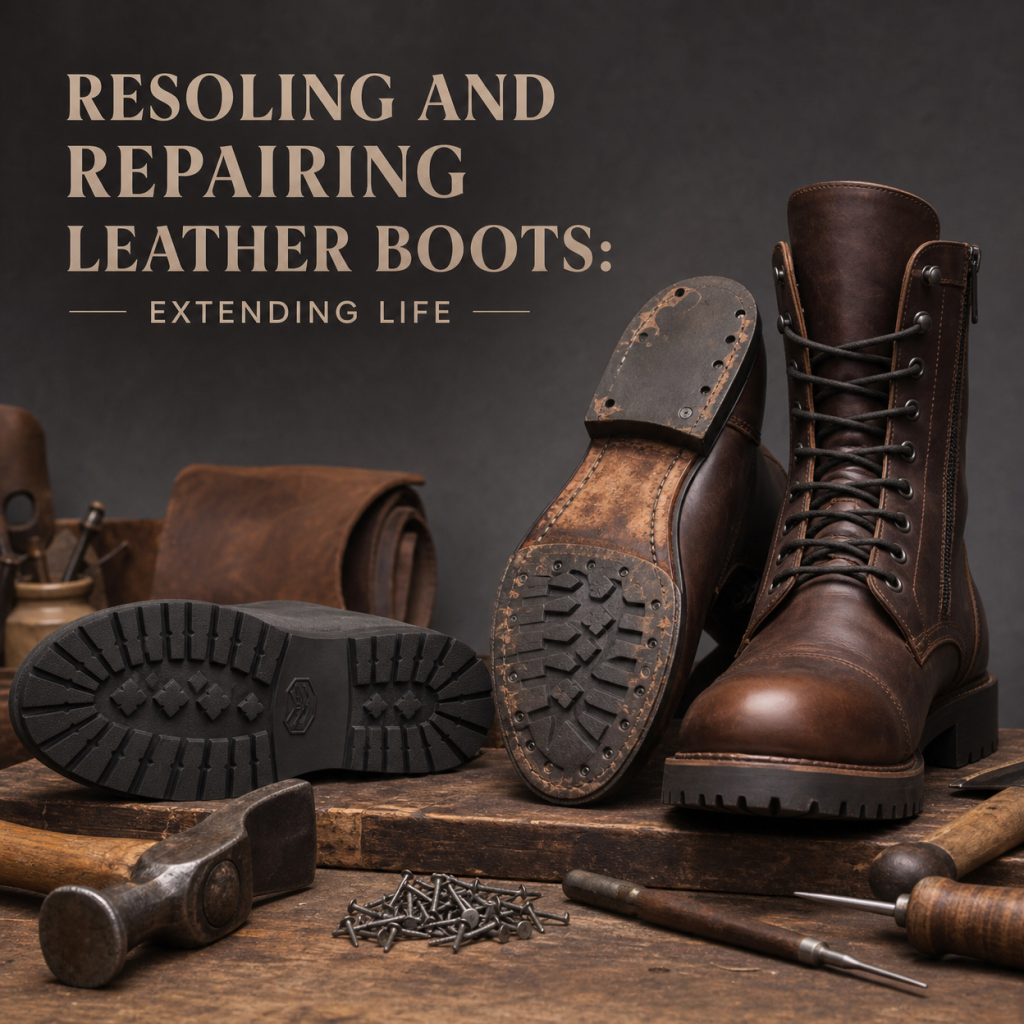
Resoling and Repairing Leather Boots: Extending Life
May
One of the greatest advantages of high-quality leather boots is their ability to be repaired rather than discarded. Unlike cheap mass-produced footwear designed for short-term use, well-constructed leather boots are built with longevity in mind. Over time, soles wear down, heels become uneven, stitching loosens, and leather develops signs of heavy use. However, many of these issues can be professionally repaired, restoring boots to excellent condition and dramatically extending their lifespan.
For boot enthusiasts, resoling and repairing are not simply maintenance tasks—they are part of a long-term relationship with footwear. A quality pair of leather boots can accompany someone for decades, developing character and comfort through years of wear. Understanding how repair and resoling work allows consumers to make smarter purchasing decisions and preserve their boots instead of constantly replacing them.
The ability to repair boots also supports sustainability by reducing waste and encouraging long-term ownership. Rather than treating boots as disposable fashion items, repairable footwear promotes craftsmanship, durability, and responsible consumption.
This guide explores the fundamentals of leather boot repair, including sole replacement, heel repair, leather restoration, construction methods, and the importance of professional cobblers in extending the life of quality boots.
Why Repairable Boots Matter
Modern fast-fashion footwear is often designed with limited lifespan in mind. Many inexpensive boots rely on glued construction and synthetic materials that become difficult or impossible to repair once damaged.
High-quality leather boots are different. Premium construction methods allow worn components to be replaced while preserving the rest of the boot.
Repairable boots offer several major advantages:
- Longer lifespan
- Better long-term value
- Reduced environmental waste
- Preservation of comfort and fit
- Continued use of broken-in leather
- Sustainable consumption
Many experienced boot owners prefer repairing old boots rather than purchasing new ones because broken-in leather molds perfectly to the foot over time. A repaired pair of boots often feels more comfortable than a brand-new replacement.
Understanding Boot Construction
The ease of resoling depends heavily on how the boots were originally constructed. Some construction methods are specifically designed for repairability, while others prioritize lower manufacturing costs.
Goodyear Welt Construction
Goodyear welted boots are among the most repair-friendly footwear available.
This construction method involves:
- A leather welt stitched around the perimeter
- The upper attached to the welt
- The sole stitched separately to the welt
Because the sole is attached independently, it can be removed and replaced without damaging the upper portion of the boot.
Advantages of Goodyear Welted Boots
- Multiple resoles possible
- Excellent durability
- Strong water resistance
- Long-term repairability
Goodyear welt construction is widely considered one of the best choices for people seeking long-lasting leather boots.
Blake Stitch Construction
Blake stitch construction uses a different method where the sole is stitched directly to the upper from the inside of the boot.
This design creates:
- Slimmer profiles
- Greater flexibility
- Lighter weight
Blake stitched boots can still be resoled, although the process differs from Goodyear welt repair and may require specialized machinery.
Blake Stitch Benefits
- Elegant appearance
- Flexible feel
- Easier break-in
However, repeated resoling may eventually weaken stitching holes over many repair cycles.
Cemented Construction and Disposable Footwear
Cheaper boots often rely on cemented construction, where the sole is simply glued to the upper.
While inexpensive to manufacture, cemented boots create major problems:
- Difficult to repair
- Poor long-term durability
- Limited lifespan
- Increased waste
Once the adhesive fails or the sole wears out significantly, repair may become impractical or impossible.
This construction method contributes heavily to disposable fashion culture because consumers frequently replace rather than repair the boots.
For buyers seeking longevity and sustainability, repairable construction is far more valuable than lower initial cost.
Resoling Leather Boots
Sole replacement is the most common major repair performed on leather boots. Since soles experience constant contact with the ground, wear is inevitable regardless of boot quality.
Over time, soles may become:
- Smooth and slippery
- Cracked
- Unevenly worn
- Detached
- Structurally weakened
Resoling replaces the worn outsole while preserving the upper leather structure.
Signs Your Boots Need Resoling
Common indicators include:
- Worn tread patterns
- Reduced traction
- Visible sole thinning
- Water penetration
- Uneven walking feel
- Separation between sole and upper
Ignoring worn soles too long can lead to damage extending into the midsole or welt, increasing repair complexity and cost.
Early intervention helps preserve the overall structure of the boots.
Choosing Replacement Sole Materials
When resoling boots, the replacement sole material significantly affects both appearance and performance.
Different materials suit different lifestyles and environments.
Leather Soles
Traditional leather soles offer classic aesthetics and elegance.
Advantages
- Sophisticated appearance
- Excellent breathability
- Lightweight feel
- Traditional craftsmanship
Disadvantages
- Faster wear
- Less traction in wet conditions
- Reduced water resistance
Leather soles remain especially popular in dress boots and heritage footwear.
Rubber Soles
Rubber soles are favored for durability and practicality.
Advantages
- Superior traction
- Water resistance
- Longer lifespan
- Better grip on rough surfaces
Disadvantages
- Heavier feel
- Less formal appearance
- Reduced breathability
Rubber soles work particularly well for work boots, hiking boots, and everyday casual wear.
Combination Soles
Many boot owners choose hybrid solutions combining leather and rubber elements.
A common setup includes:
- Leather forefoot
- Rubber heel
- Protective rubber inserts
This approach balances elegance with improved durability and traction.
Combination soles have become increasingly popular because they preserve traditional aesthetics while improving real-world functionality.
Heel Replacement
Heels often wear faster than the front portion of the sole because they absorb concentrated impact during walking.
Uneven or excessively worn heels can affect:
- Comfort
- Balance
- Walking posture
- Joint alignment
Fortunately, heels can often be replaced independently without requiring a full resole.
Benefits of Early Heel Repair
Replacing heels early:
- Prevents further structural damage
- Extends sole lifespan
- Maintains walking comfort
- Costs less than major repairs
Regular heel maintenance is one of the simplest ways to preserve leather boots long-term.
Leather Upper Repairs
The leather upper is the heart of the boot, and many forms of damage can be professionally repaired.
Common upper repairs include:
- Stitching restoration
- Patch repairs
- Eyelet replacement
- Crack treatment
- Color restoration
- Conditioning and refinishing
Experienced cobblers can dramatically improve the appearance of heavily worn boots through careful restoration techniques.
Minor scuffs and scratches are often easy to address with conditioning and polishing, while deeper damage may require professional intervention.
Conditioning and Preventative Maintenance
Preventative care reduces the need for major repairs.
Proper leather maintenance includes:
- Regular cleaning
- Conditioning
- Waterproofing
- Proper drying
- Rotating wear
Conditioned leather remains flexible and less prone to cracking or splitting.
Many severe repair problems develop because boots were neglected rather than because of normal aging.
The Role of Professional Cobblers
Professional cobblers play a vital role in extending the lifespan of quality leather boots.
Experienced repair specialists can:
- Replace soles
- Repair stitching
- Restore leather finish
- Rebuild heels
- Stretch boots
- Repair structural damage
A skilled cobbler often transforms boots that appear ruined into highly wearable footwear again.
Why Skilled Cobblers Matter
Good repair work preserves:
- Comfort
- Structural integrity
- Aesthetics
- Durability
High-quality repairs also maintain the unique broken-in feel that makes older leather boots so comfortable.
Cost vs Replacement
Some consumers hesitate to repair boots because of repair costs. However, comparing repair expenses to replacement costs often reveals excellent long-term value.
For example:
- Resoling premium boots may cost far less than buying new quality boots
- Repaired boots already fit comfortably
- Leather uppers often remain excellent even after sole wear
Repair becomes especially worthwhile for premium boots with strong construction and high-quality leather.
Cheap disposable boots may not justify repair, but well-made boots often remain valuable for decades.
Sustainability and Reduced Waste
Repairing leather boots also supports environmental sustainability.
Repair culture helps reduce:
- Landfill waste
- Excess manufacturing
- Raw material consumption
- Fast-fashion disposal cycles
Instead of discarding worn boots every few years, resoling allows consumers to maximize the lifespan of existing products.
This philosophy aligns closely with modern sustainable fashion movements focused on durability and long-term ownership.
Customization During Resoling
Resoling also provides opportunities for customization.
Many boot owners choose to:
- Upgrade to different sole materials
- Add improved traction
- Change heel height
- Enhance waterproofing
- Modify comfort characteristics
This allows boots to evolve according to changing lifestyles and preferences.
A dress boot can become more weather-resistant with rubber soles, while work boots can receive upgraded tread for better grip.
Vintage Boot Restoration
Vintage leather boots are increasingly popular because of their craftsmanship and character.
Professional restoration can revive:
- Faded leather
- Damaged soles
- Loose stitching
- Worn interiors
Many vintage boots feature construction quality difficult to find in modern mass-market footwear.
Restoration preserves both functionality and historical craftsmanship.
Conclusion
The ability to repair and resole leather boots is one of the defining advantages of high-quality footwear. Unlike disposable shoes designed for short-term use, repairable boots are built to accompany their owners for many years—even decades.
Understanding construction methods, sole materials, heel maintenance, and leather restoration allows consumers to make informed purchasing decisions focused on longevity and value. Goodyear welted and Blake stitched boots offer exceptional repair potential, while professional cobblers can restore worn footwear to remarkable condition.
Repairing leather boots not only saves money over time but also supports sustainability by reducing waste and encouraging responsible consumption. Instead of replacing footwear constantly, resoling and restoration allow consumers to preserve comfort, craftsmanship, and personal connection to well-worn boots.
With proper care, timely maintenance, and occasional professional repair, a quality pair of leather boots can remain functional, stylish, and comfortable for a lifetime.
